
Customs preparation
Veterinary diagnostic customs clearance: prepare your file
Prepare a consistent shipment file, clarify importer responsibilities and resolve missing information before your diagnostic products leave.
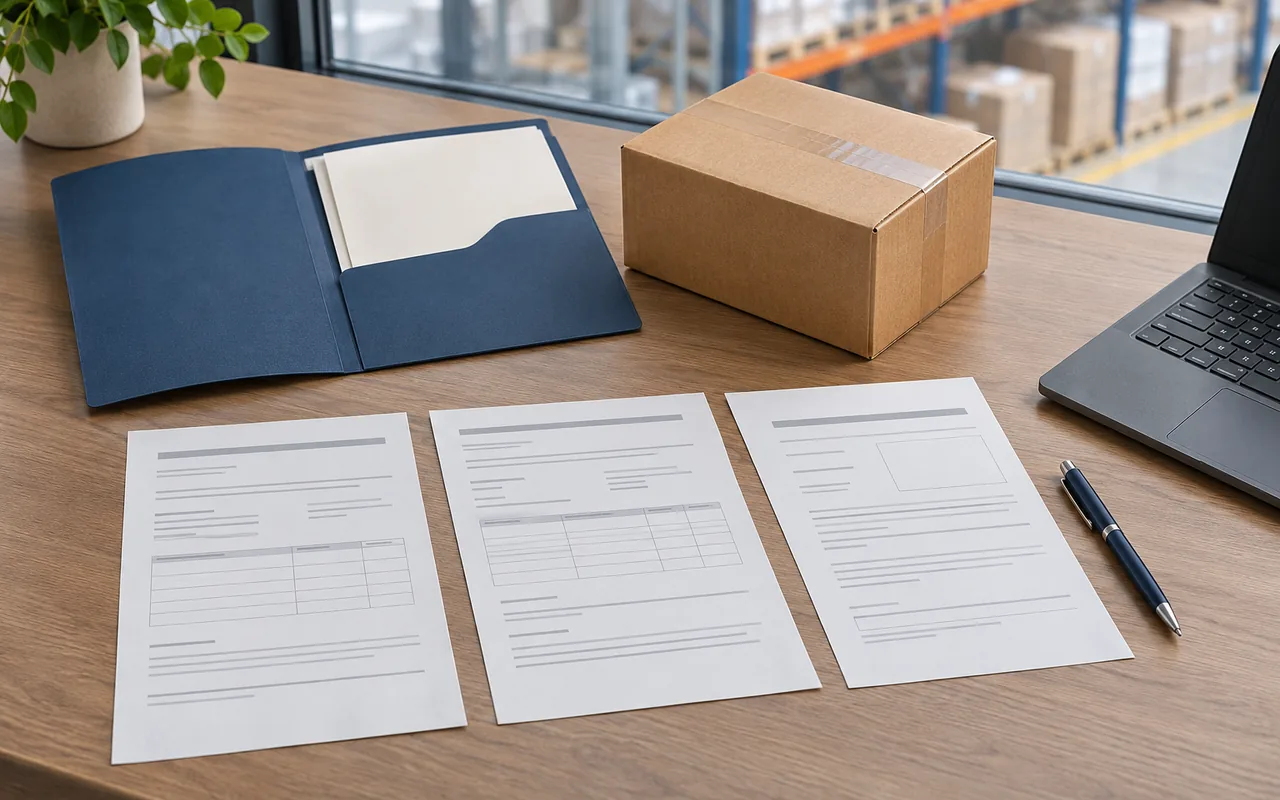
Veterinary diagnostic customs clearance starts before dispatch. Give the importing party or customs broker the exact product list and intended use, ask which permissions and documents apply, and resolve mismatches before the goods move. Requirements depend on the destination and product; one successful shipment does not automatically establish the requirements for the next.
This guide helps organize a shipment file. The importer and the relevant authorities must confirm the applicable classification, registration, permits, duties and declarations for the actual transaction.
What does your broker need first?
Send a product brief that distinguishes analyzers, reagent kits and accessories. Use the exact catalogue references and explain whether the goods are intended for veterinary or human use. A label such as “laboratory equipment” may leave the broker without enough detail to assess the shipment.
For example, a shipment of a veterinary mFIND analyzer and its assay kits should list the items separately. Keep the product description consistent with the order, labels and supporting documents. Do not change the declared intended use simply to make a shipment appear easier to clear.
Ask your broker to return a written list showing each requirement, who supplies it and whether it is resolved. This creates a practical dispatch decision, rather than a folder containing documents whose applicability nobody has checked.
Which documents commonly form the shipment file?
The commercial invoice describes the transaction and goods. The packing list describes how the shipment is packed, including quantities, packages and weights. A carrier document, such as an air waybill or bill of lading, identifies the transport movement. Additional documents depend on the goods and destination. The U.S. International Trade Administration provides a useful general overview of these document roles; its guidance is not a destination-specific approval. ITA common export documents.
Use this working checklist to prepare the discussion:
Swipe horizontally to read the full table.
| File section | What to ask |
|---|---|
| Commercial details | Are buyer, seller, consignee, currency, value and delivery terms correct? |
| Item and packing details | Can each item be matched to its catalogue reference, quantity and carton? |
| Transport record | Do the carrier reference, consignee and destination match the planned movement? |
| Product information | Which labels, manuals, specifications or safety documents does the broker need? |
| Destination requirements | Are importer registrations, product permissions, language requirements or other documents applicable? |
For samples supplied without charge, ask the broker how the shipment must be valued and described. Do not assume that “free sample” means no customs formalities or a zero declared value.
Who confirms the tariff classification and permissions?
Ask the importer or broker to confirm the classification for each relevant item using its actual function, composition and presentation. Do not copy a code from an unrelated analyzer or from a previous shipment with a different product mix.
The World Customs Organization directs product-classification questions to the customs administration of the importing or exporting country. This is why a website article cannot assign a universally valid code to every veterinary diagnostic shipment. WCO Harmonized System FAQ.
Make the product-permission check explicit: which authority is responsible, which exact item and intended use are covered, and whether the importer can legally receive it. A certificate supplied for one product or market should not be assumed to cover another. Review the available Dawnsail resources against your broker’s list and request any outstanding material through our contact page.
How do you catch inconsistencies before dispatch?
Compare the final invoice, packing list and transport instructions side by side. Check names, addresses, quantities, values, delivery terms and item descriptions. Canada’s Trade Commissioner Service recommends this type of consistency check across a transaction’s documents. Its checklist is a general organizing reference, not a list of permits for every importing country. Export documentation checklist.
A useful internal check is to pick one carton and trace it back to the order: what is inside, which document describes it, and who can answer a query about it? Then reverse the exercise for each ordered item. Resolve unclear descriptions or missing quantities with the party responsible for issuing the document.
What if customs asks for more information?
Request the exact question, reference number and response deadline from the broker. Identify which document or product detail is missing, then send one coordinated request to the supplier. Keep approved revisions together so an old invoice is not accidentally resubmitted with a new packing list.
If the goods are held, also check their location and handling conditions with the carrier. Paperwork and product condition need attention at the same time; our shipping and receipt checklist covers the physical handover.
Before the next order, retain a brief record of what caused the query and what resolved it. Reconfirm requirements when the product, importer, destination or rules change. Document preparation can reduce avoidable questions, but it cannot guarantee release, a fixed clearance time or a particular duty rate.